

A recent exhibition at the Barbican Art Gallery in London, Dirty Looks: Desire and Decay in Fashion explored how contemporary fashion has embraced dirt and decay as a counterpoint to a luxury fashion aesthetic over the last fifty years. Questioning where beauty lies and the future of fashion and waste, Dirty Looks featured pieces from over 60 designers including Alexander McQueen, Vivienne Westwood, and Maison Margiela, with installations by visionaries like Hussein Chalayan and Bubu Ogisi, and emerging designers like Alice Potts and Solitude Studios.
Rebellion, provocation, experimentation, and the inclusion of indigenous perspectives were key themes in the exhibition that ran September 25th, 2025 until January 25th, 2026.
Brutalist Backdrop
Fiona Coleman, UK-based contributor to THE KINDCRAFT, visited the Barbican three times throughout the duration of Dirty Looks noticing new details on each visit. The Barbican, a celebrated icon of British Brutalist architecture and an important London landmark, was built between 1965 and 1976. It was an ambitious project constructed on a bomb site, above street level, as a ‘city within a city’ pulling inspiration from Roman fortresses, French Modernism, and Mediterranean and Scandinavian influences. Designed by Chamberlin, Powell & Bon, the Barbican Estate is a sprawling residential and cultural complex, home to approximately 4,000 residents, with architectural elements ranging from 40-story towers, to basement cinemas, to galleries, and theaters.
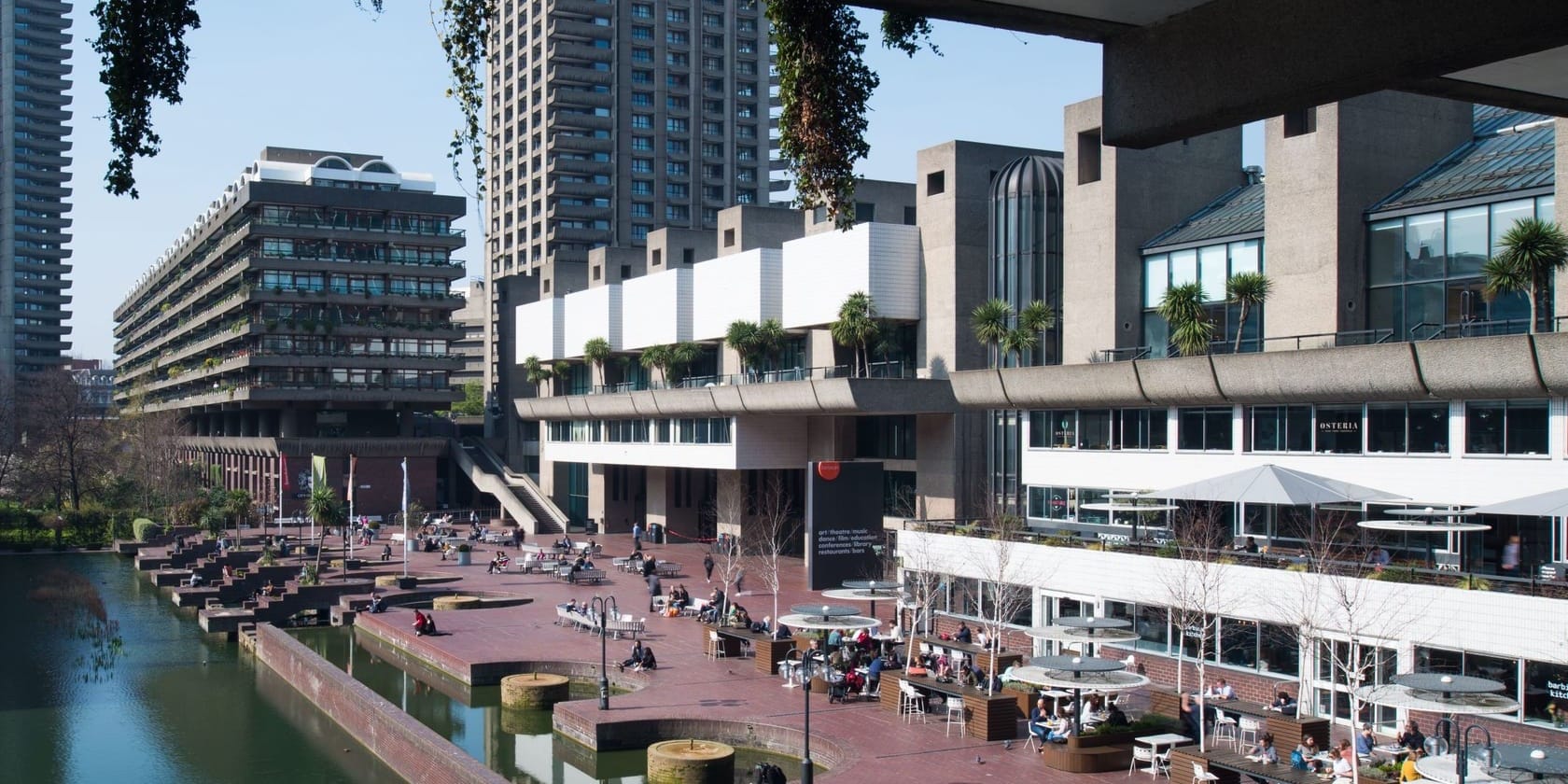
“Dirty Looks signals the Barbican’s bold return to fashion as a vital strand of our visual arts programming – one that recognises fashion not only as a form of artistic expression, but also as a lens through which to examine cultural, environmental and political urgencies. This exhibition brings together a remarkable breadth of global designers who are radically reshaping what fashion can mean and do today. With its focus on decay, renewal and the aesthetics of imperfection, Dirty Looks invites us to reconsider beauty, value and the regenerative power of making in a world in flux.” - Shanay Jhaveri, Head of Visual Arts, Barbican
Grouped into themes like Future Archaeology, Nostalgia of Mud, Romantic Ruins, Spectres of Dirt, Stains as Ornament, and Glittering Debris, these ideas were explored through designer highlights in the upper galleries and original works by emerging designers in the lower galleries. These designers—such as Paolo Carzana, Alice Potts, Michaela Stark, Solitude Studios, Elena Velez, and Yaz XL—aimed to reflect current crises, including environmental issues, while also depicting a restored paradise through practices rooted in folklore, neo-paganism, and celebrating queer and sex-positive communities. Leading the charge in artistic experimentation, they explore the fleeting, romantic, and modern aspects intrinsic to fashion.
Alice Potts
Alice Potts project entitled Perspire Madame Grès: Biocouture 2025, where sweat has been turned into a salt solution to decorate a once darkened-with-age bodice of a mid-20th-century designer dress with sparkling natural crystals.
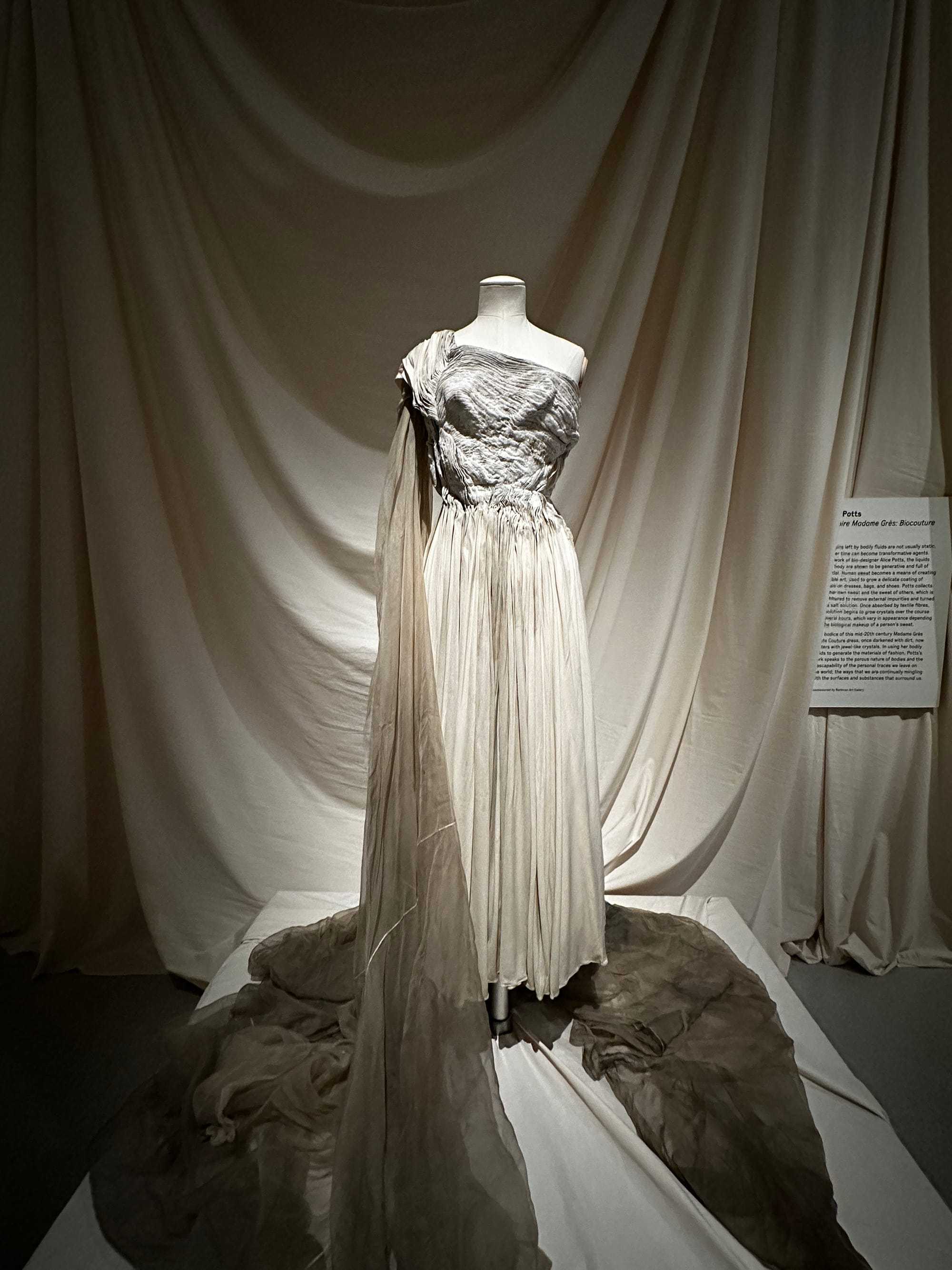
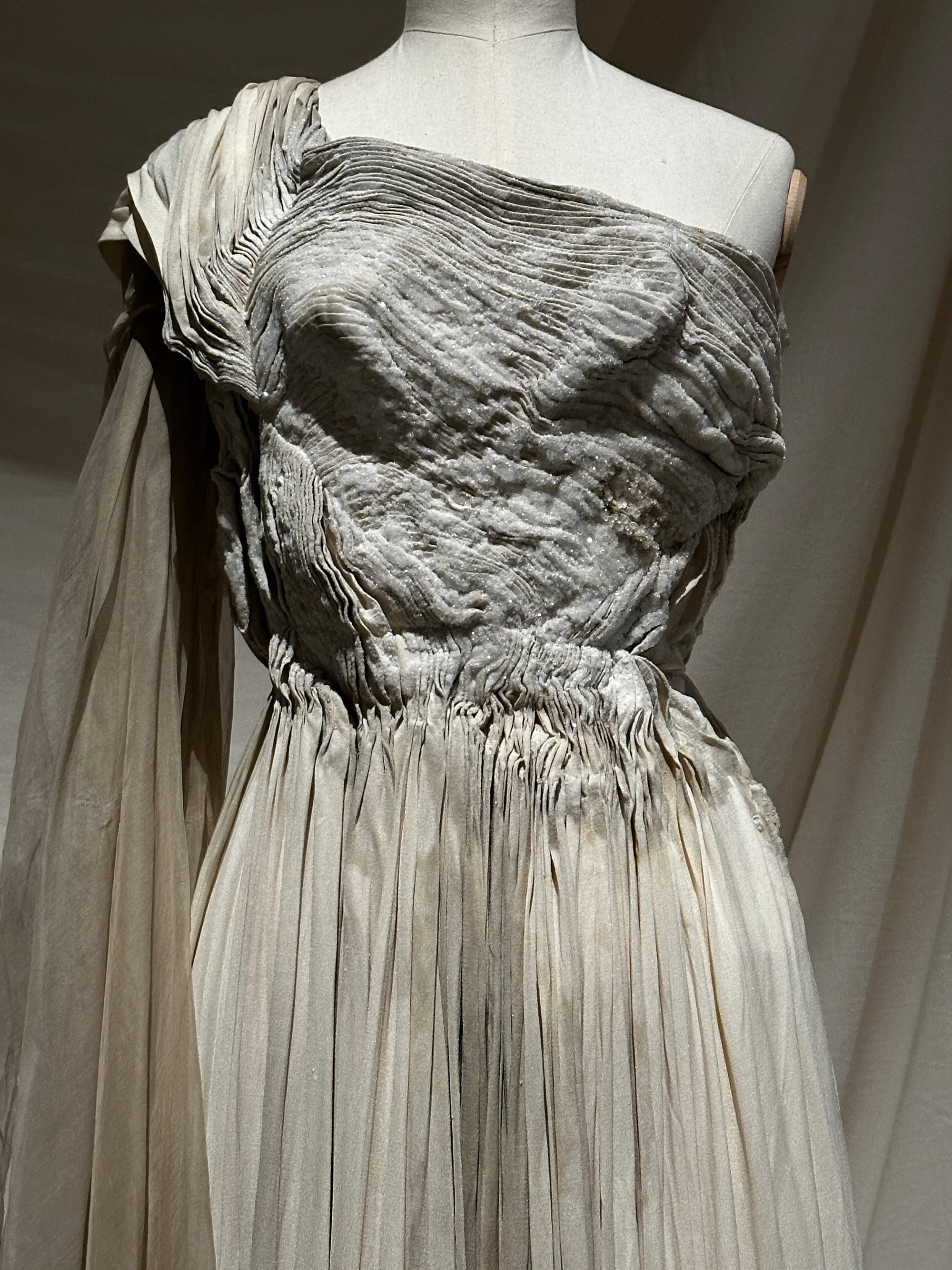
Alice Potts Perspire Madame Grès: Biocouture 2025. Photos by Fiona Coleman.
Hussein Chalayan
Hussein Chalayan’s installation features buried, oxidized garments, including pieces from his 1993 graduate collection, The Tangent Flows. His recurring practice of burial—covering clothing with iron filings and burying them for months—has been a hallmark of his influential fashion career. This concept of ‘future archaeology’ symbolises the life cycle of fashion and poetically explores themes of time, impermanence, rebirth, and renewal.
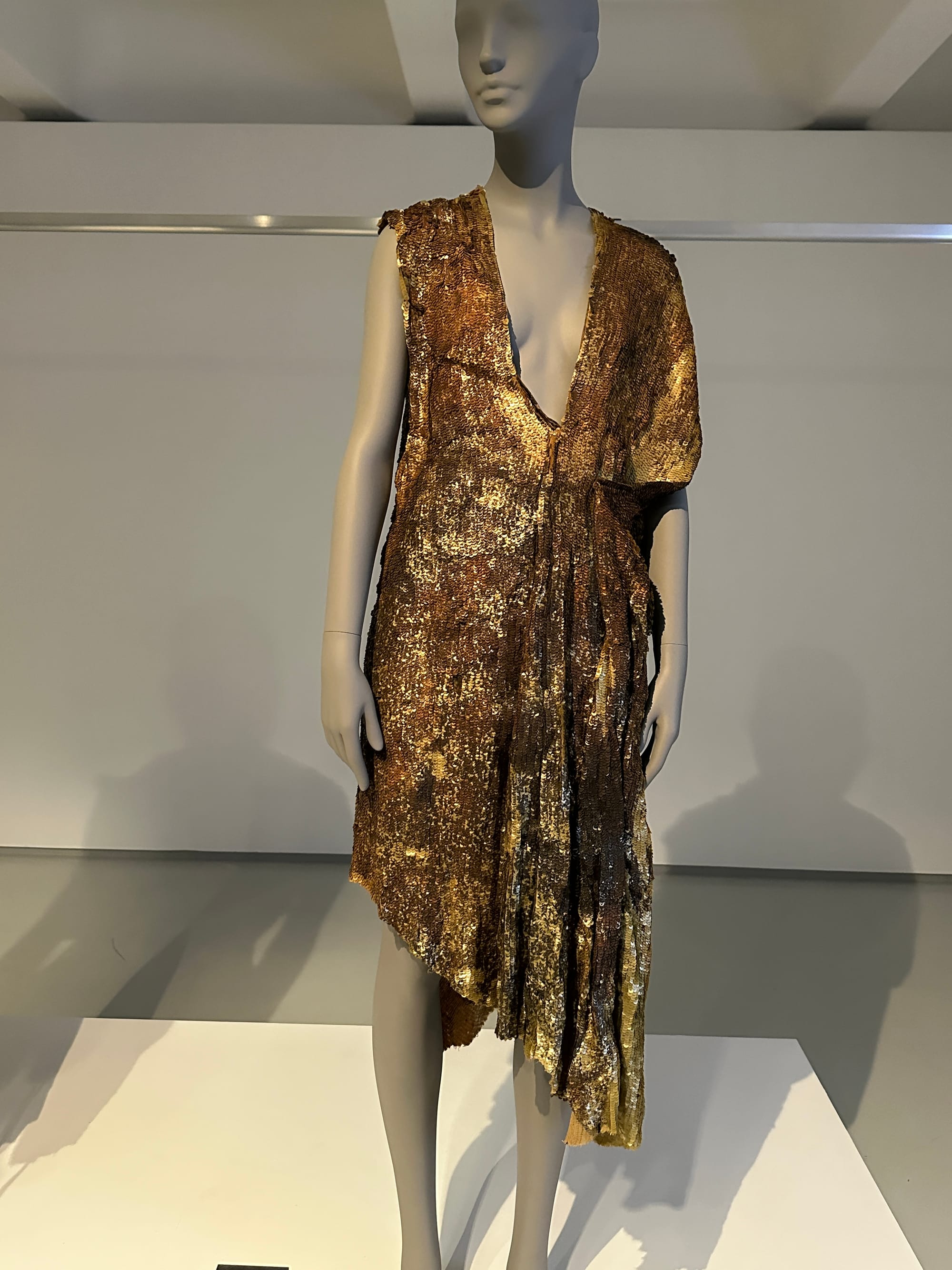
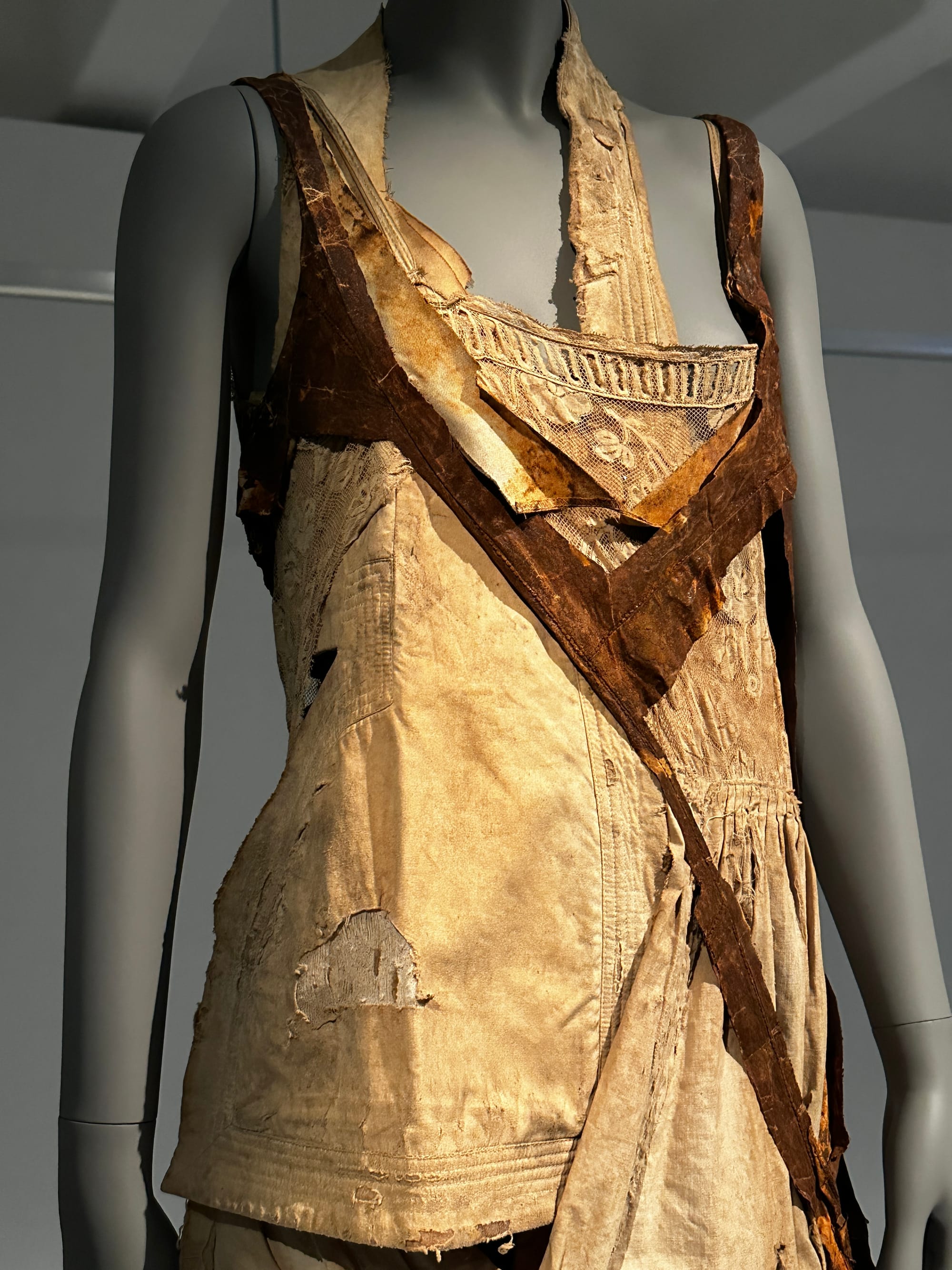
Hussein Chalayan Map Reading A/W 2001 (Left) Hussein Chalayan Medea S/S 2002 (Right) at Dirty Looks. Photos by Fiona Coleman.
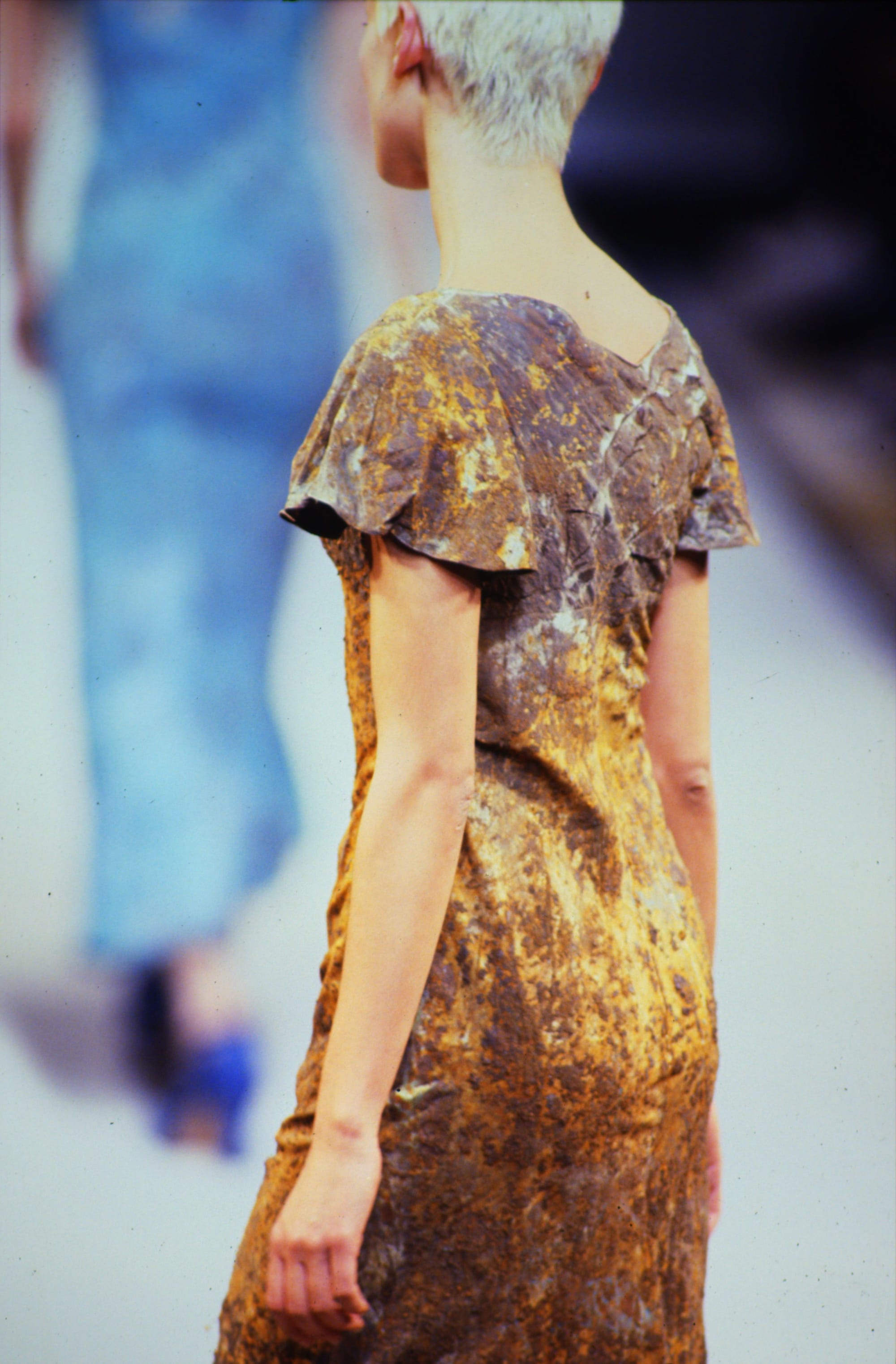
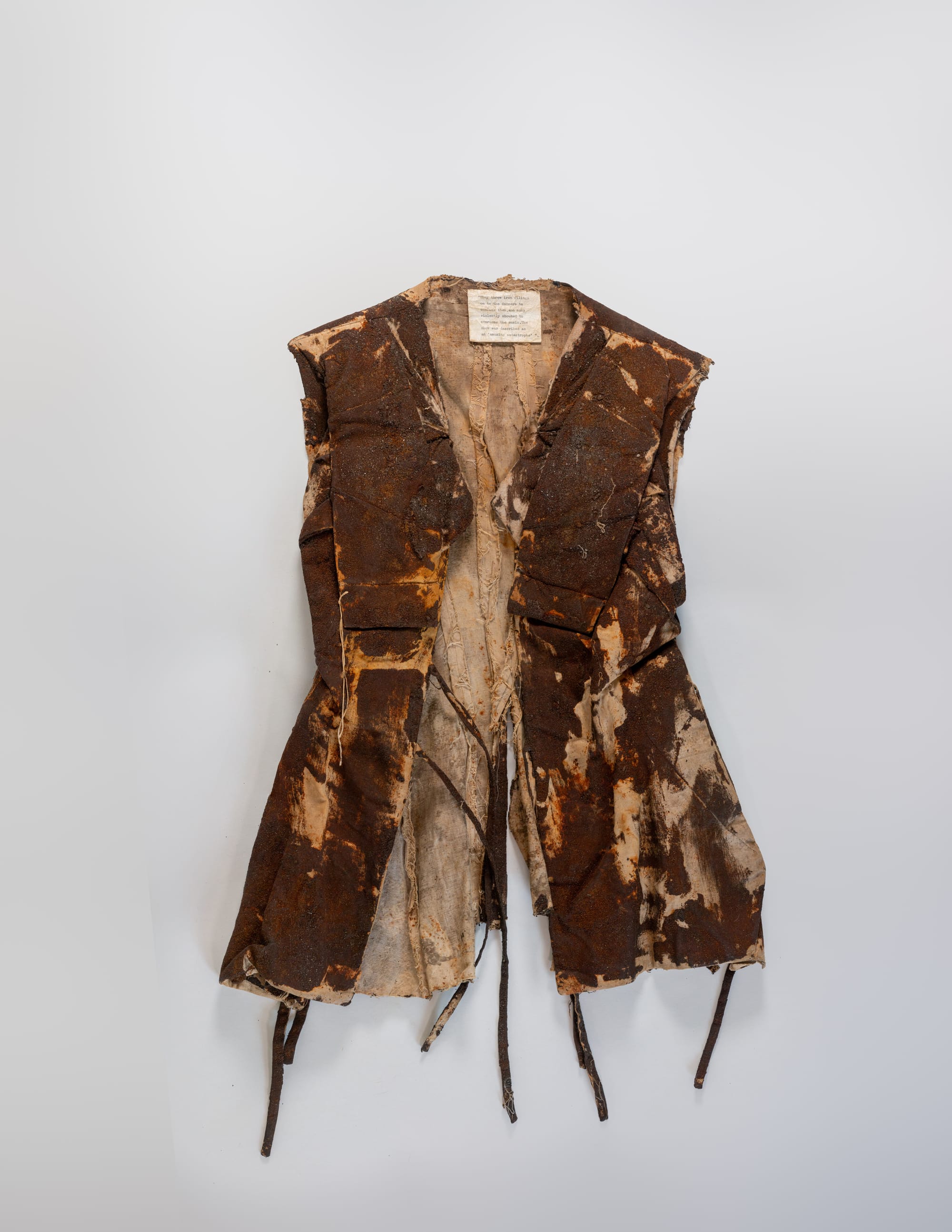
Hussein Chalayan, Temporary Interference, Spring/Summer 1995. Courtesy of Niall McInerney/Bloomsbury/Launchmetrics/Spotlight. (Left) Hussein Chalayan, The Tangent Flows, 1993. Photograph by Ellen Sampson (Right)
Ma Ke
A site-specific installation of three looks from Ma Ke’s handmade collection Wuyong/The Earth (2006-07), transforming discarded materials including wood, linen, plastic and tarpaulin using ancient crafts practised by women in China’s rural regions.
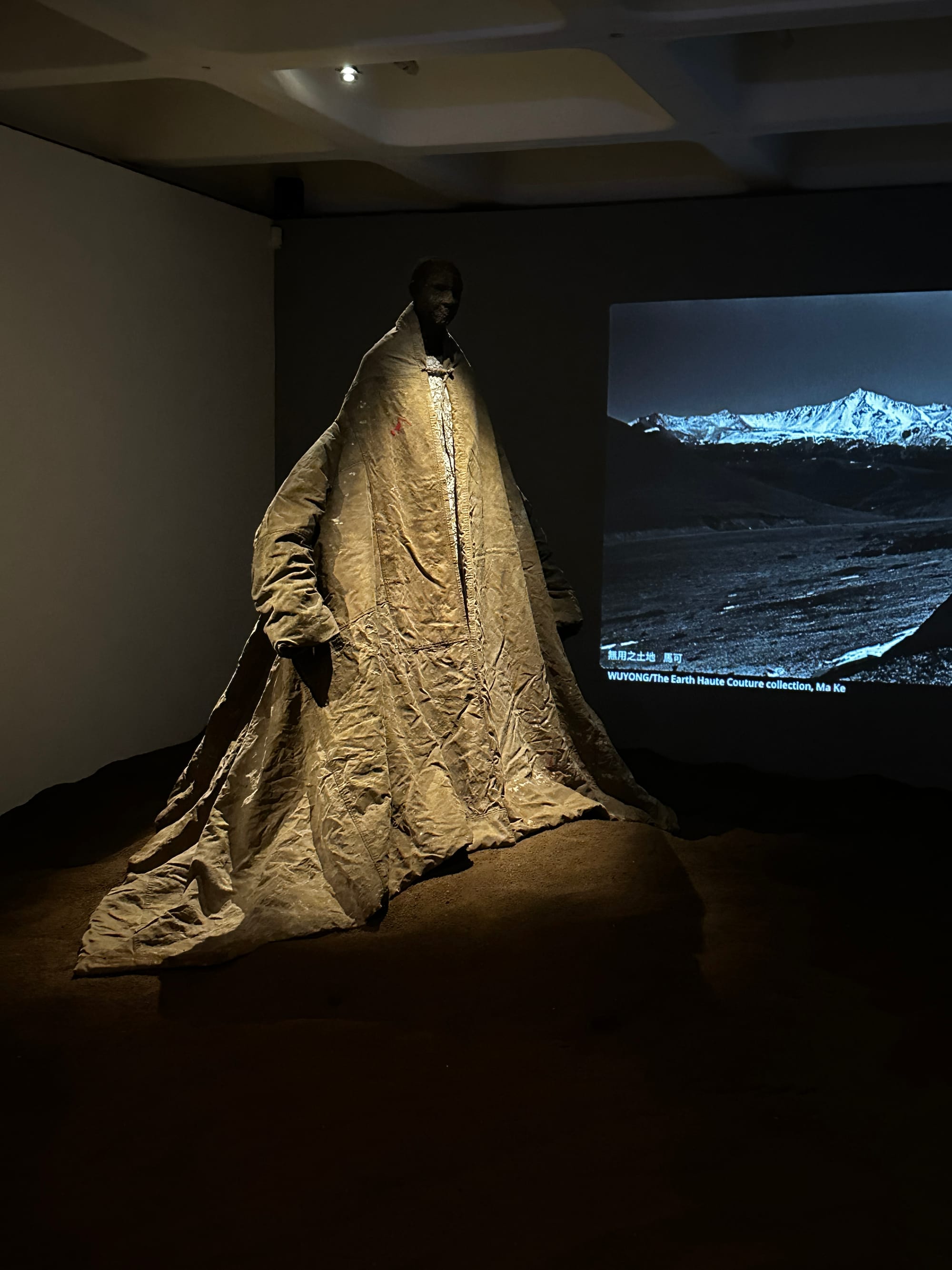
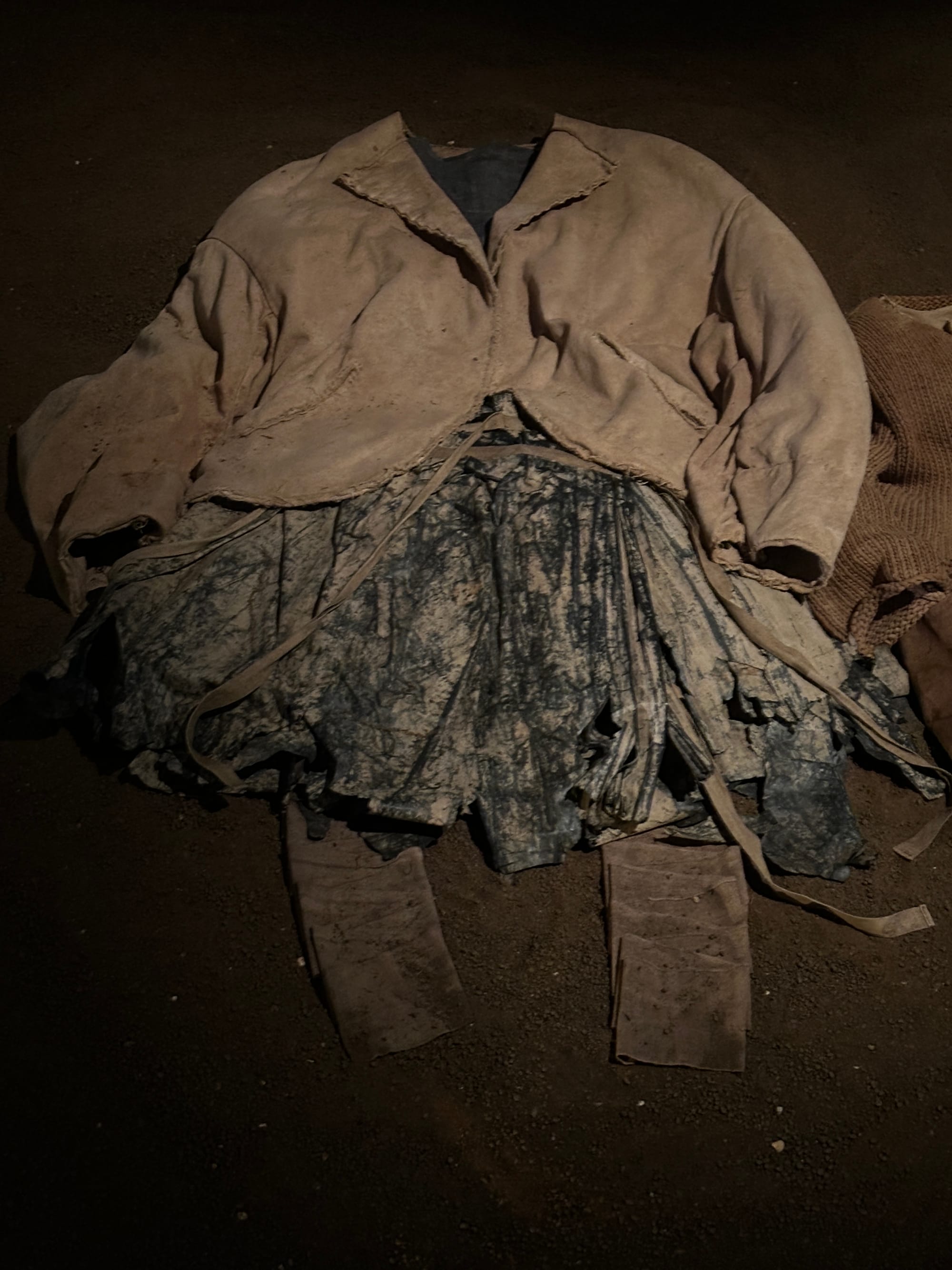
Ma Ke, Wuyong/The Earth (2006-07). Photos by Fiona Coleman.
Bubu Ogisi
Bubu Ogisi’s recent creations for IAMISIGO, a Nigerian fashion label that uses natural materials as an act of repairing connections to the land severed by colonialism.
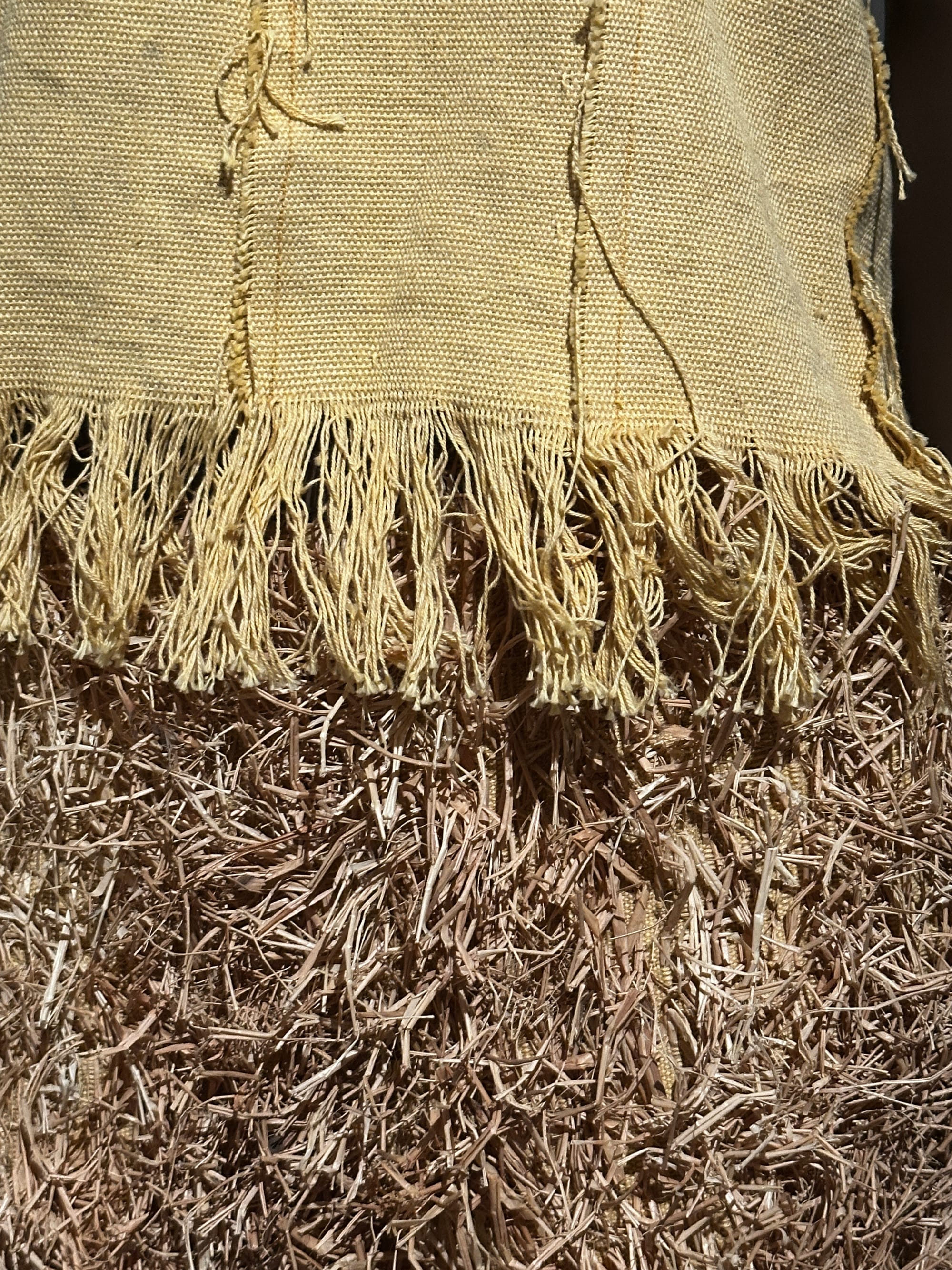
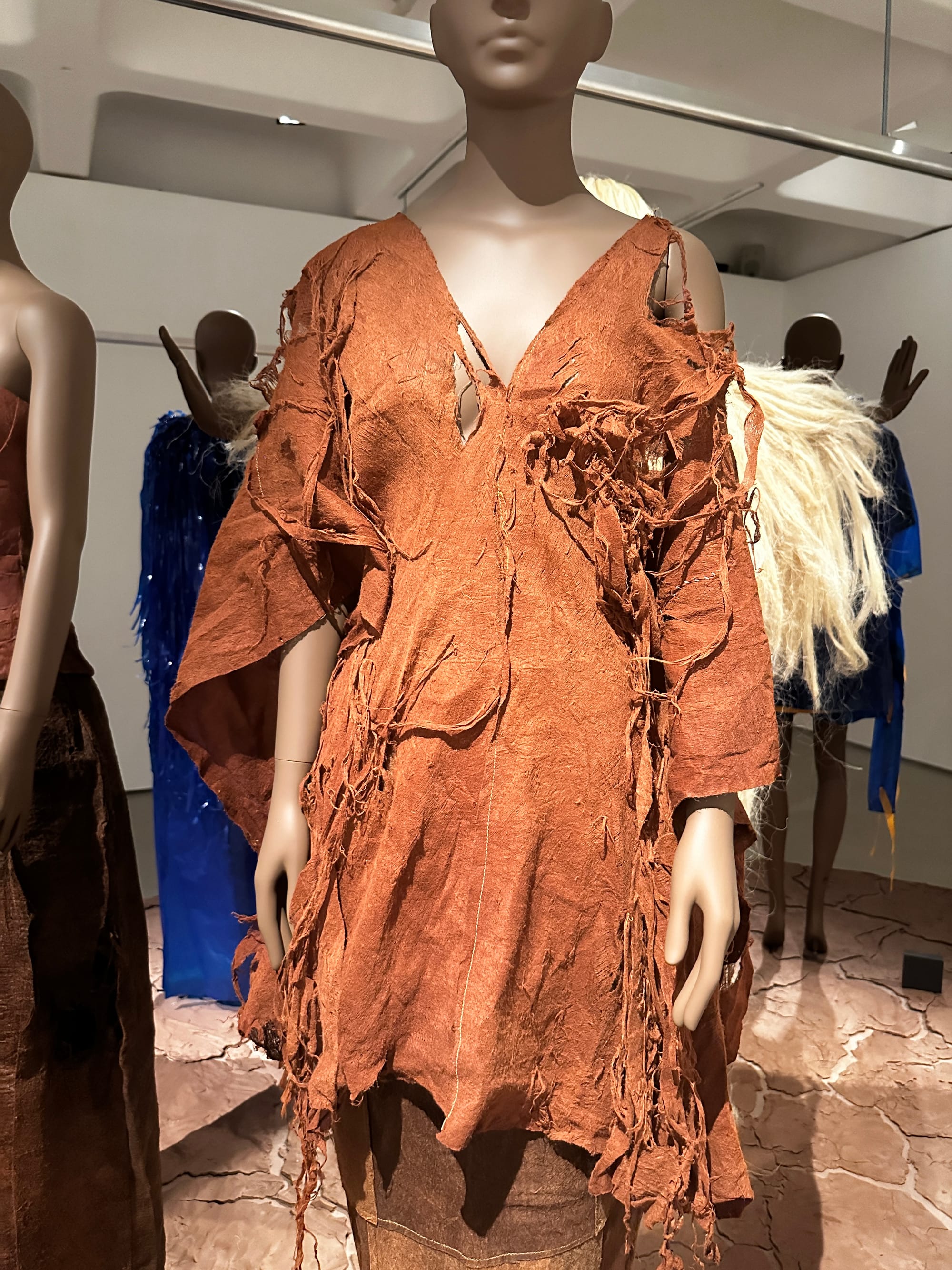
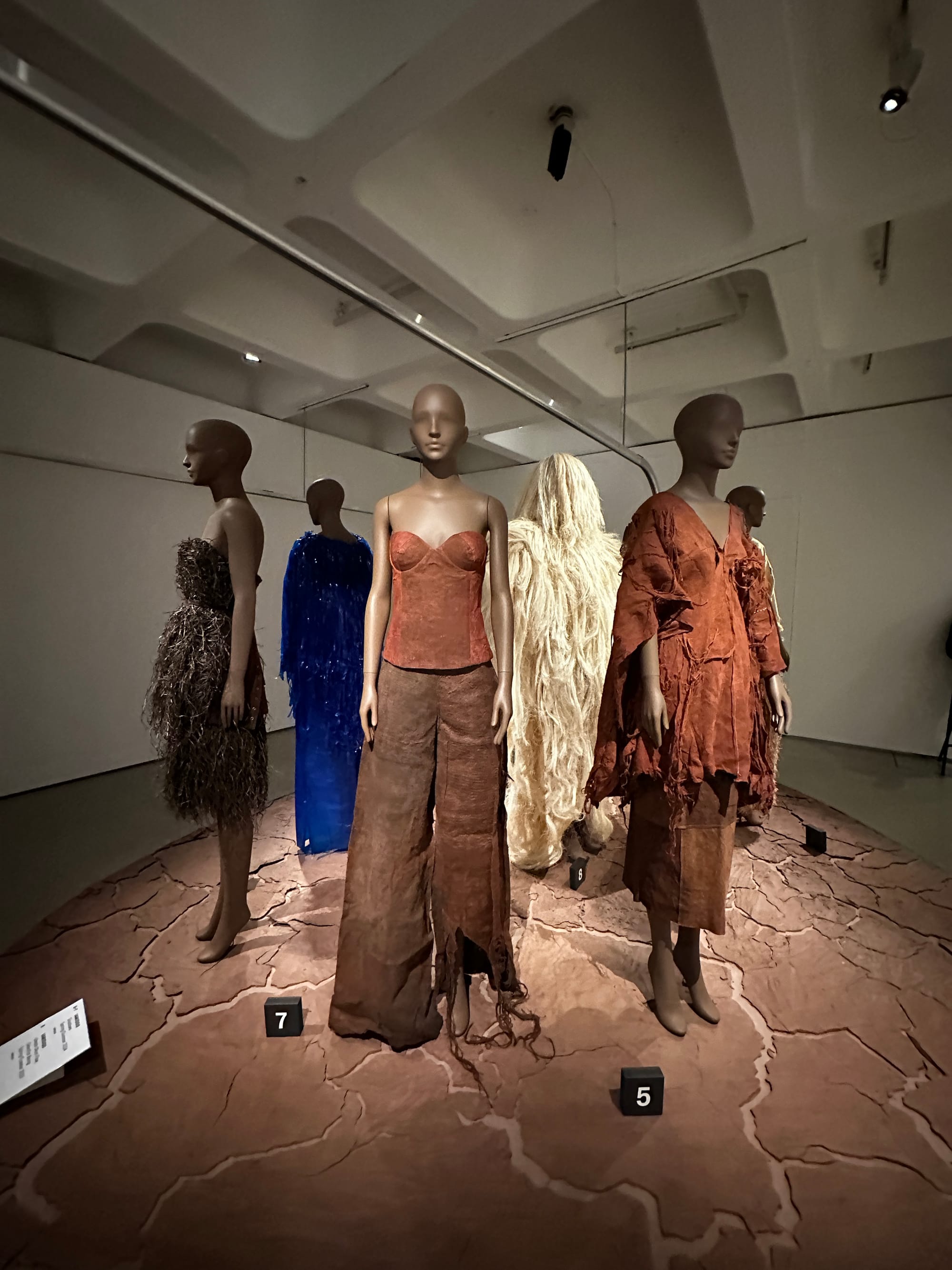
IAMISIGO at Dirty Looks. Photos by Fiona Coleman.
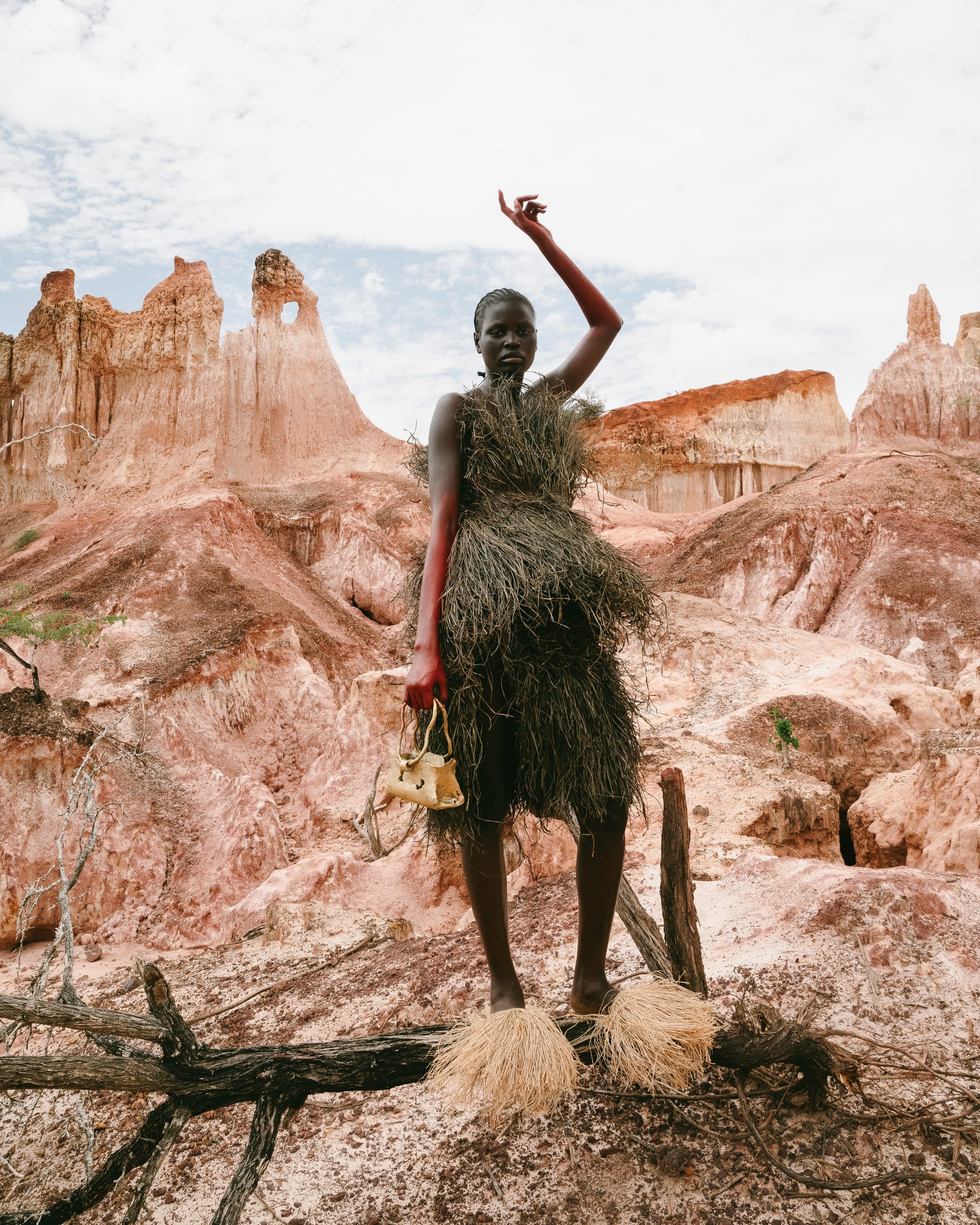
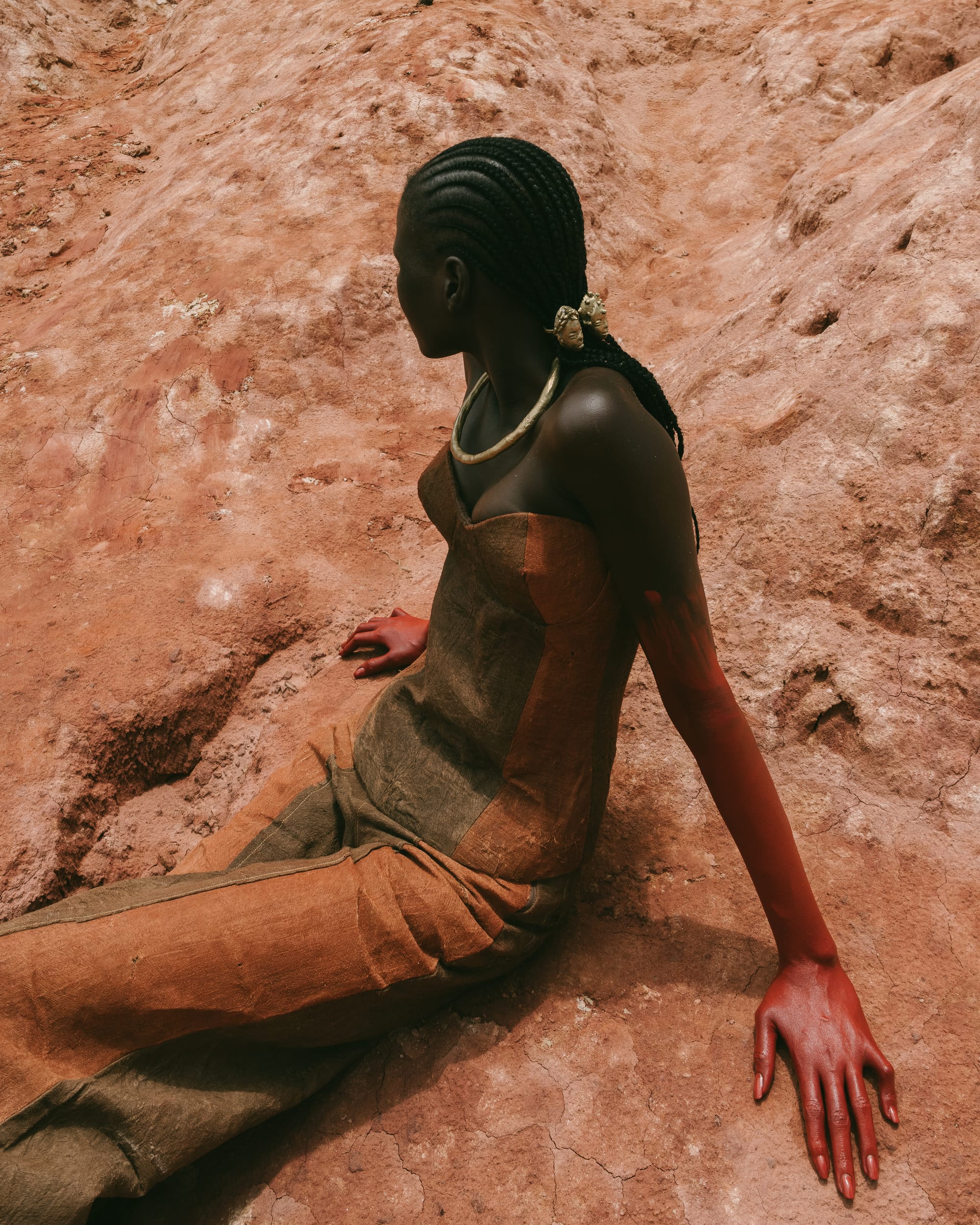
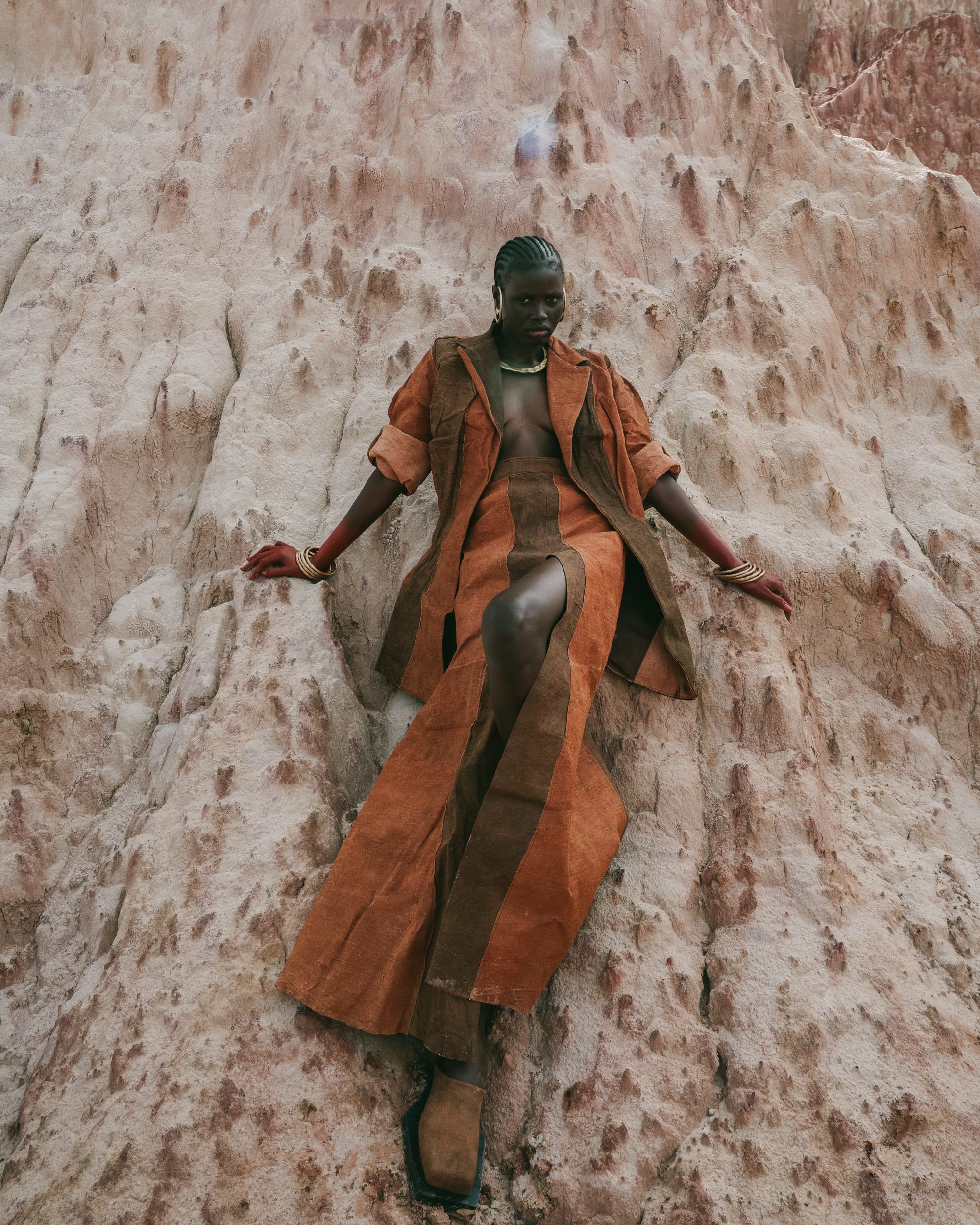
IAMISIGO, handwoven raffia-cotton blend look dyed with coffee and mud, Shadows, Spring/Summer 2024. Photograph by Fred Odede. Courtesy of IAMISIGO. (Left) IAMISIGO, clay-dyed barkcloth dress, Shadows, Spring/Summer 2024. Photograph by Fred Odede. Courtesy of IAMISIGO. (Middle) IAMISIGO, clay-dyed barkcloth dress, Shadows, Spring/Summer 2024. Photograph by Fred Odede. Courtesy of IAMISIGO. (Right)
Paolo Carzana
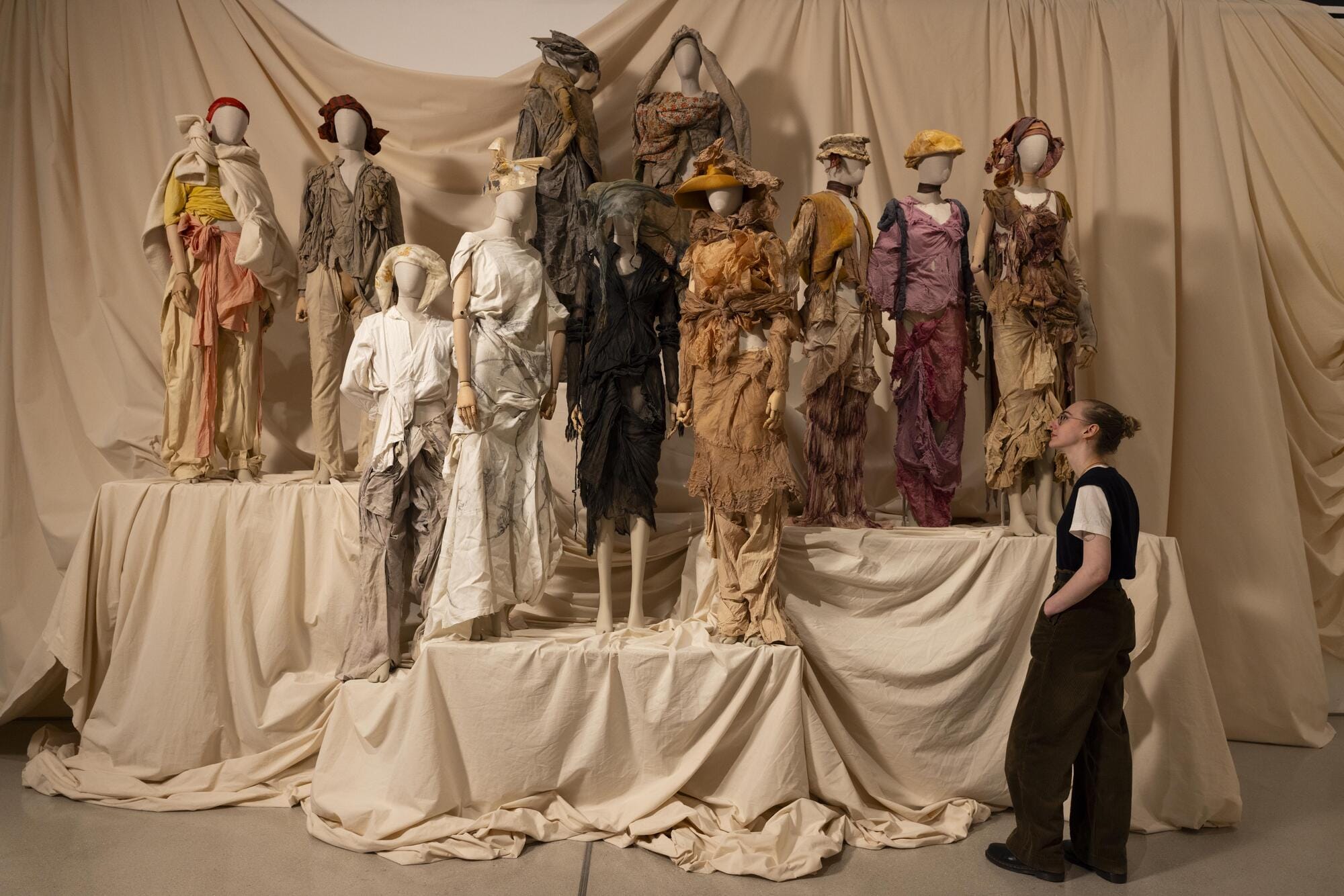
A bespoke tableau of Paolo Carzana’s three-season narrative Trilogy of Hope (2024-25), featuring handcrafted, naturally dyed garments crafted from organic and repurposed materials.
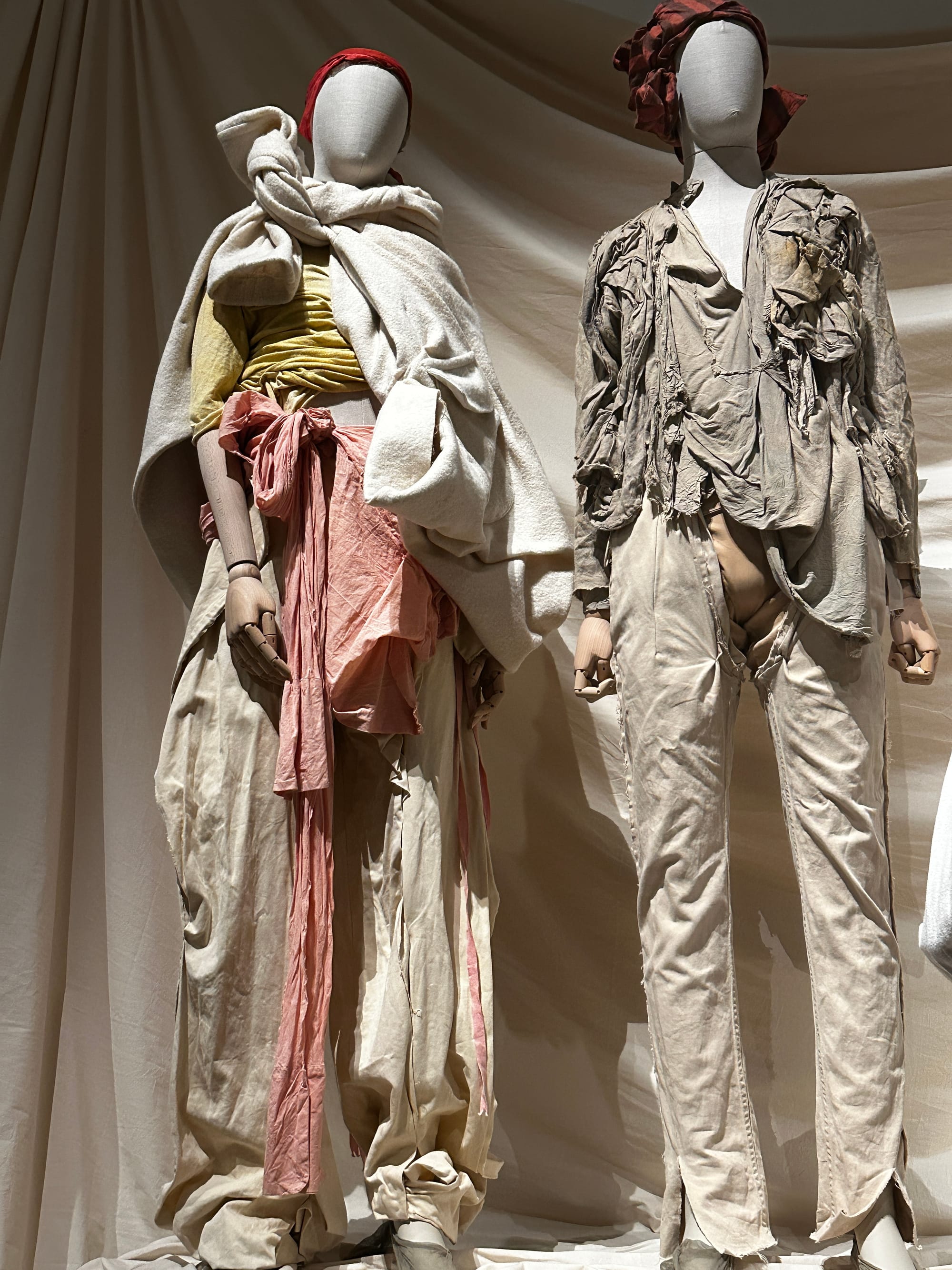
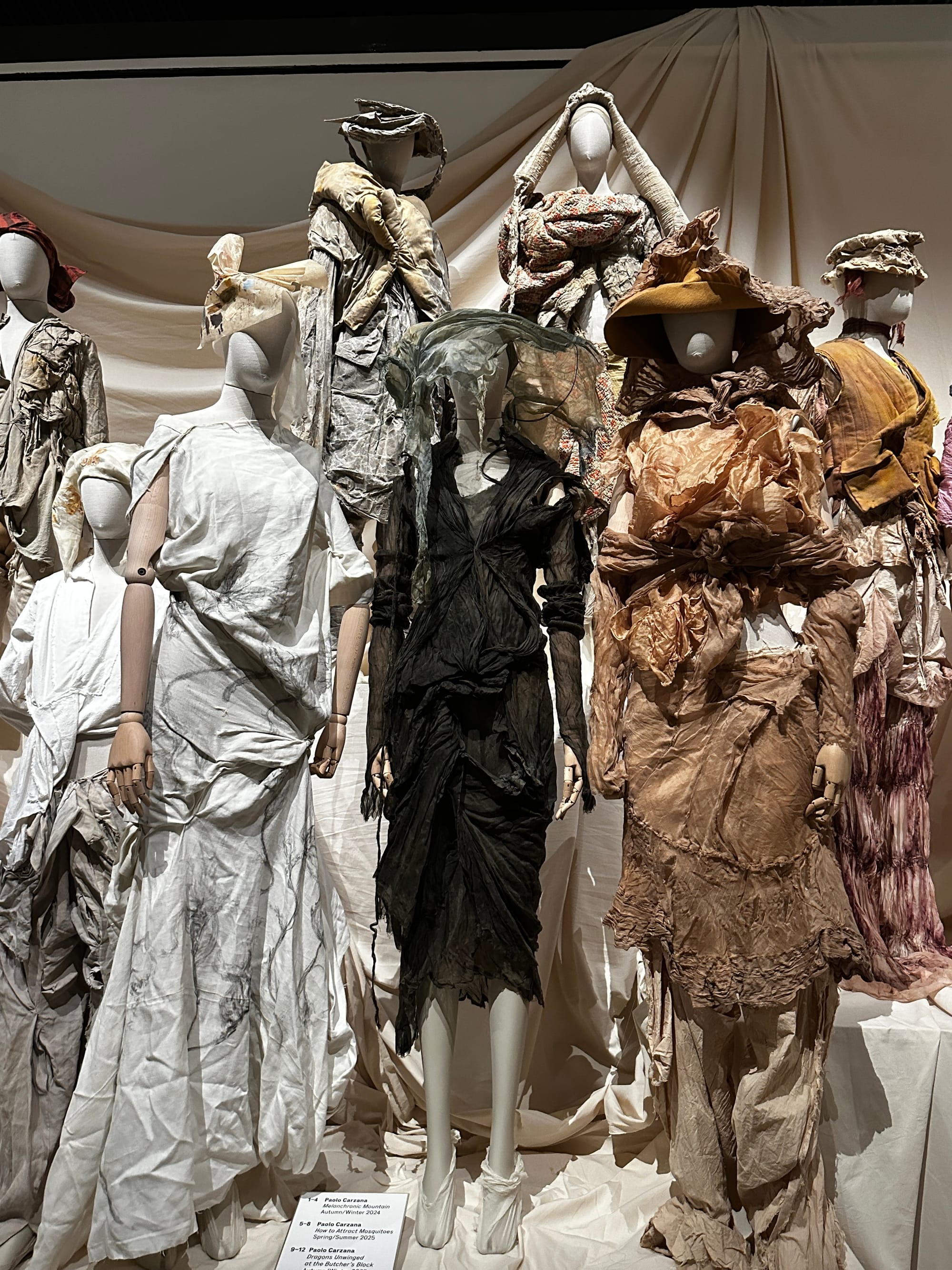
Paolo Carzana’at Dirty Looks. Photos by Fiona Coleman.
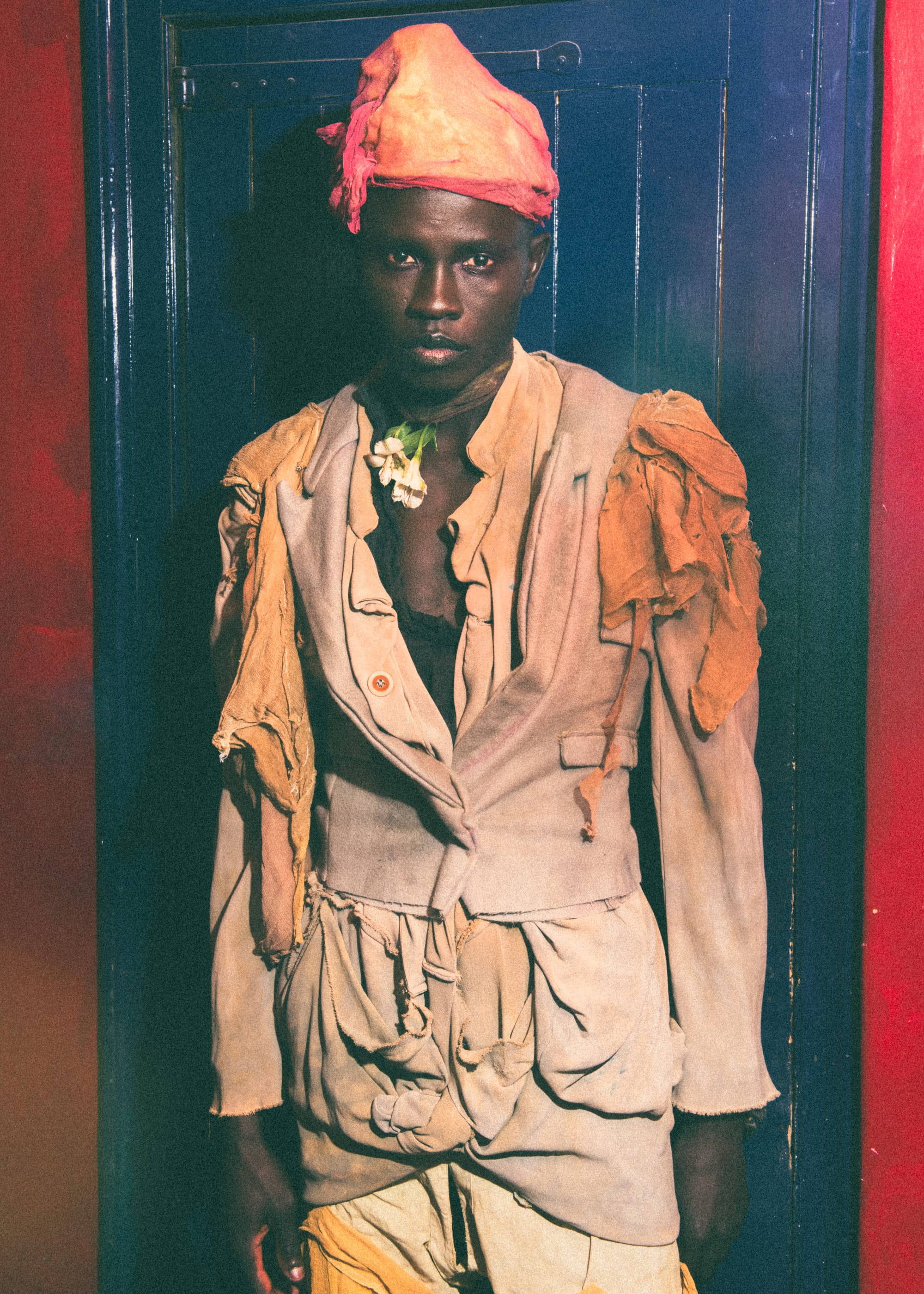
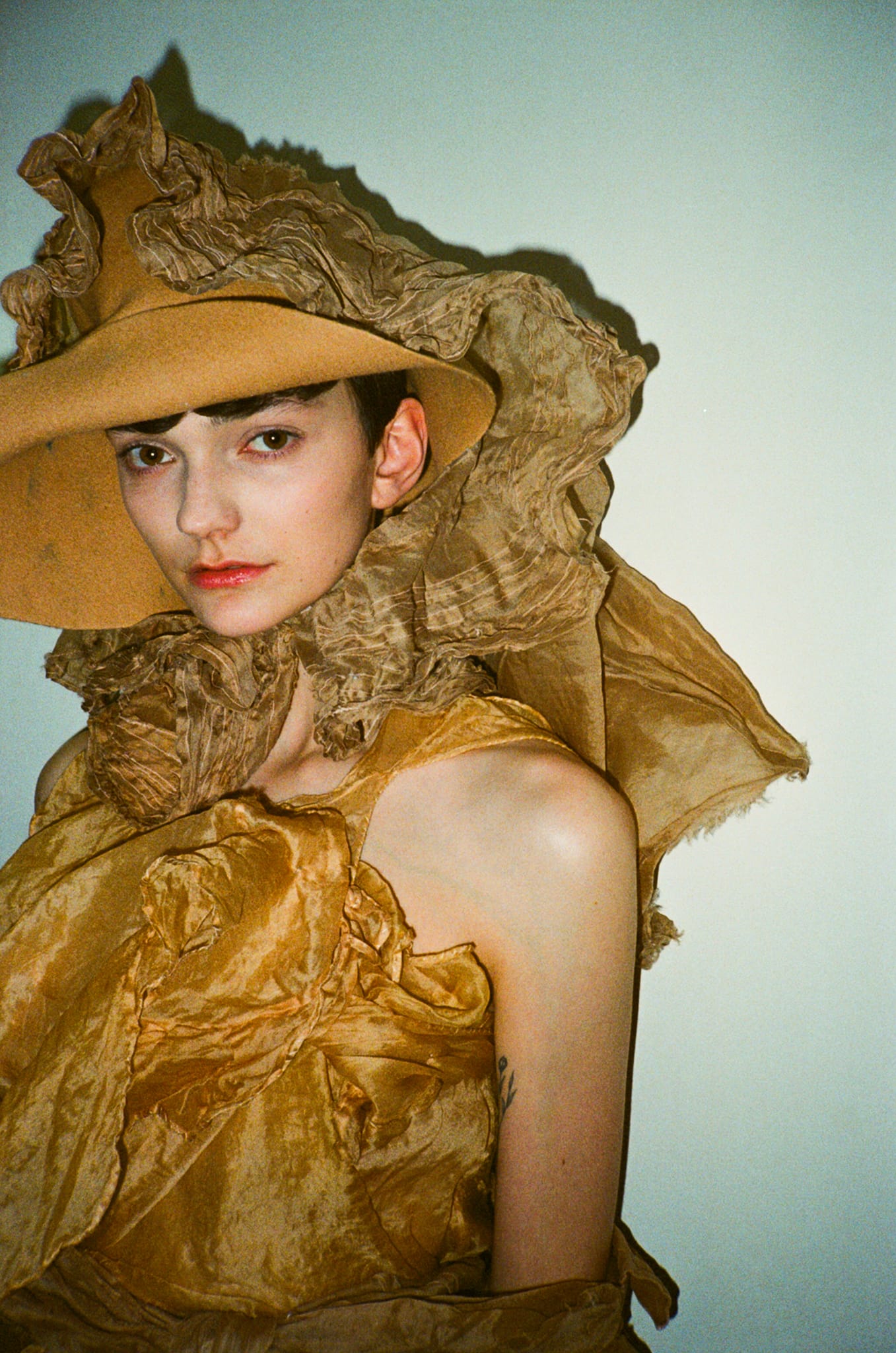
Paolo Carzana, Autumn/Winter 2025, Dragons Unwinged at the Butchers Block.Headwear and creative consulting by Nasir Mazhar. Styling and creative consulting by Patricia Villirillo. Photograph by Joseph Rigby. Courtesy of Paolo Carzana. (Left) Paolo Carzana, Spring/Summer 2025, How to Attract Mosquitoes. Headwear and creative consulting by Nasir Mazhar. Styling and creative consulting by Patricia Villirillo. Photograph by Joseph Rigby. Courtesy of Paolo Carzana. (Right)
Solitude Studio
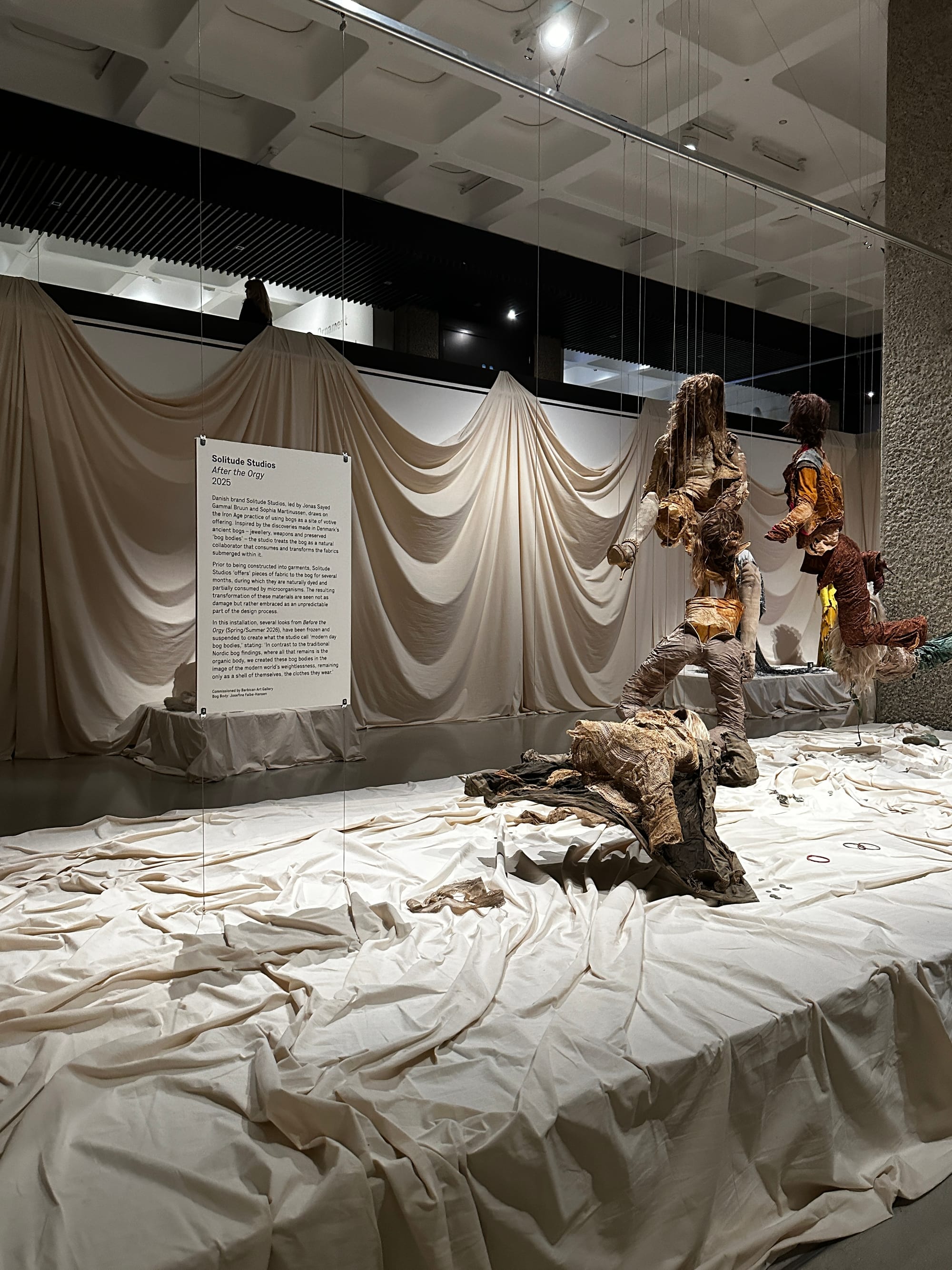
Solitude Studio’s use of cloth submerged in bogs in their collections, referencing Denmark’s bogs as sites of fertility and good luck offerings in the Iron Age.
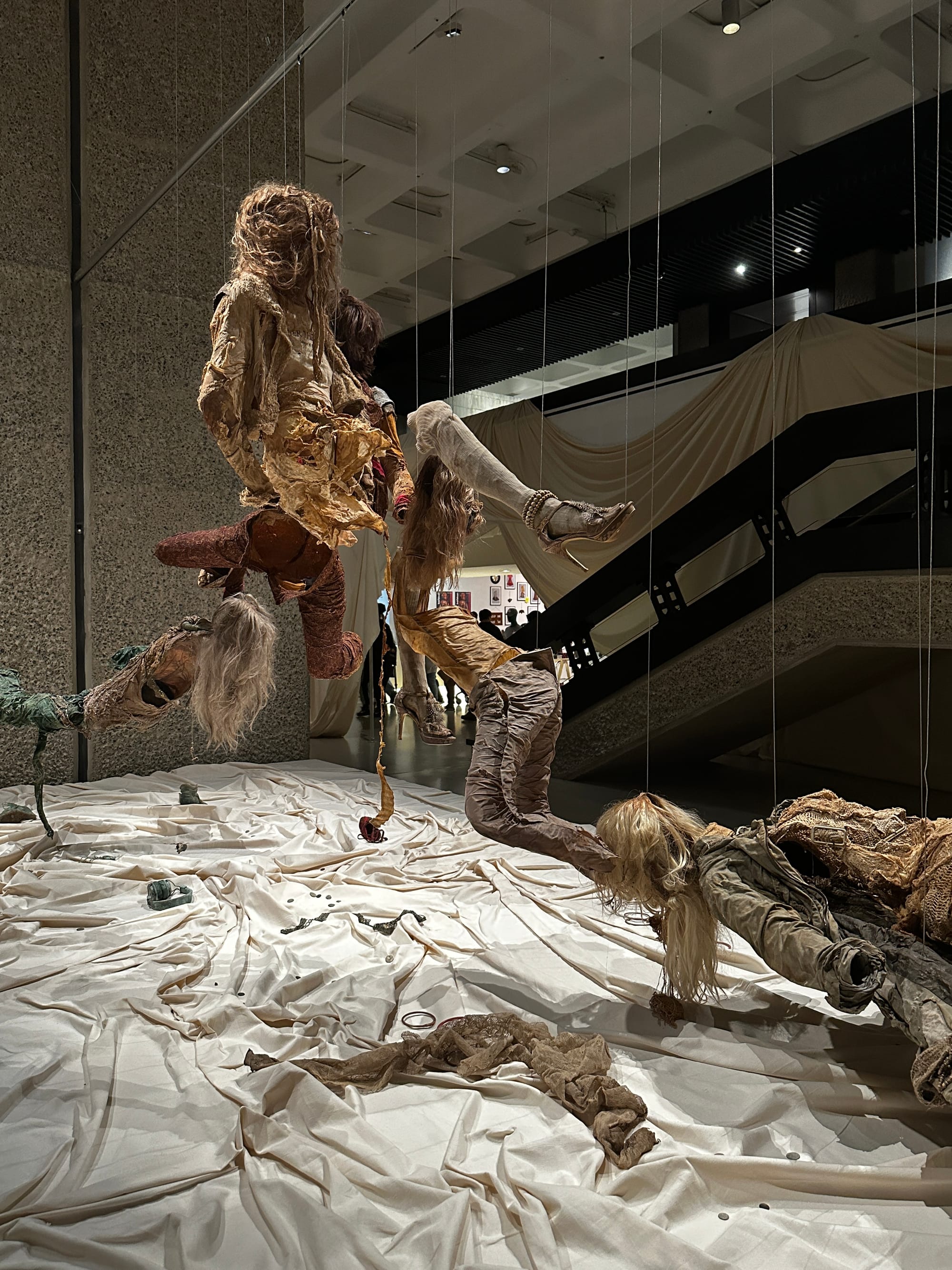
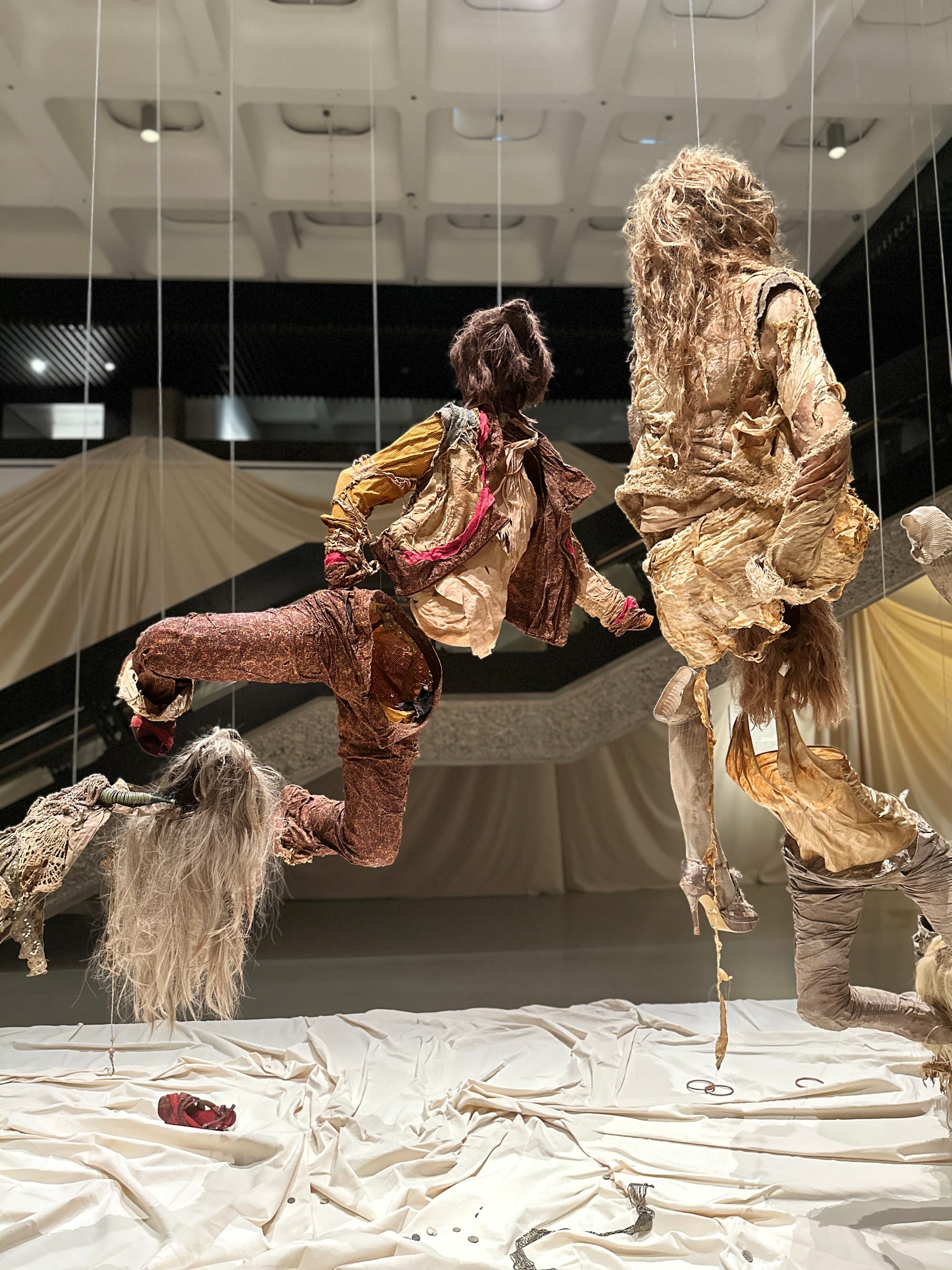
Solitude Studio at Dirt Looks. Photos by Fiona Coleman.
Studio Dennis Vanderbroeck
Studio Dennis Vanderbroeck reimagines the Barbican Art Gallery's spaces for the Dirty Looks exhibition. Known for their innovative fashion shows and theatre design, SDK explored fashion’s fascination with decay by pairing sleek, white gallery areas with deliberately ‘destroyed’ surface textures, creating a dynamic tension.
Photos by Fiona Coleman
Ultimately, Dirty Looks functioned as a visceral manifesto for a fashion industry in search of its soul. By centering the soil, the bog, and the stained body, the exhibition peeled back the layers of modern consumption to reveal a deeper, more spiritual tether to the earth. Through the reclamation of indigenous wisdom and the radical alchemy of deadstock and upcycled fibers, these designers proved that the future of fashion does not lie in the pristine or the mass-produced. Instead, it flourishes in the honest, the mended, and the regenerative power of decay—offering a path forward that is as much about healing the land as it is about dressing the body.